Gingerstraw: A Handwritten Font for Engaging Web Design
As a web designer, I'm always on the lookout for fonts that can add a unique and inviting touch to my projects. Recently, I came across Gingerstraw, a not-so-quirky handwritten font that has quickly become a favorite in my design toolkit. This warm and cheerful typeface is perfect for adding a personal, handcrafted feel to a wide range of digital experiences.
A First Look at Gingerstraw in Action
When I first tested Gingerstraw, I was immediately drawn to its natural, flowing style. The font's handwritten quality makes it feel approachable and friendly, which is perfect for creating a welcoming atmosphere on a website. I decided to use it in the hero section of a boutique online store, where it served as the main headline over an image banner. The result was a visually appealing and engaging opening that set the right tone for the entire site.
Visual Characteristics and Personality
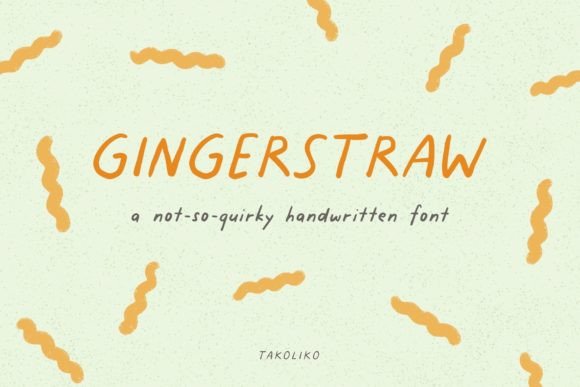
Gingerstraw's visual characteristics are what make it stand out. The font features a slightly irregular baseline, giving it a more organic and less mechanical feel. The letters have a playful, yet refined, look, with subtle variations in stroke width that add to its charm. The overall mood is warm and cheerful, making it ideal for brands that want to convey a sense of friendliness and creativity.
Using Gingerstraw in Web Layouts
One of the key areas where Gingerstraw shines is in website headers and hero sections. Its bold, yet graceful, appearance makes it perfect for grabbing attention and setting the tone for the rest of the page. I also found it to be an excellent choice for call-to-action (CTA) buttons and short phrases, where its readability and visual appeal can drive user engagement.
In a recent project, I used Gingerstraw for the main headings on a coaching website. The font's personality added a human touch to the content, making the site feel more relatable and trustworthy. It worked particularly well when paired with a clean, simple sans serif font for the body text, creating a balanced and professional look.
Readability and Responsive Design
While Gingerstraw is highly effective for headlines and short text, it's important to consider its readability in different contexts. For mobile screens, I recommend using it in larger sizes to ensure that the details of the handwriting are clear. When used over image backgrounds, especially those with high contrast, Gingerstraw stands out beautifully, making it a great choice for banners and promotional graphics.
For responsive layouts, I found that Gingerstraw adapts well to different screen sizes. However, for very small text or dense information, such as form labels or navigation menus, a simpler, more legible font might be more appropriate. This ensures that the user experience remains smooth and accessible across all devices.
Font Pairing and Versatility
One of the strengths of Gingerstraw is its versatility in font pairing. It works exceptionally well with clean sans serif fonts, which provide a modern and readable counterpoint. For a more editorial or traditional look, you can pair it with a classic serif font. In a creative portfolio or blog, combining Gingerstraw with a complementary script or handwritten font can create a rich, layered aesthetic.
In a recent redesign of a blog, I used Gingerstraw for the post titles and a simple sans serif for the body text. The combination created a visually appealing and easy-to-read layout that enhanced the overall user experience. The font's decorative elements added a touch of elegance without overwhelming the content.
Practical Considerations for Web Use
Before incorporating Gingerstraw into your web projects, it's essential to check the included styles, alternates, and weights. The font comes with a variety of options that can help you fine-tune its appearance to match your brand's needs. Additionally, ensure that the font supports the languages you need, as this can be crucial for international websites.
It's also important to verify the commercial licensing terms before using Gingerstraw on client projects or e-commerce sites. This ensures that you have the necessary permissions to use the font in a commercial context, protecting both you and your clients from potential legal issues.
Conclusion
Gingerstraw is a versatile and charming handwritten font that adds a personal and inviting touch to web designs. Whether you're working on a boutique online store, a coaching website, or a creative portfolio, Gingerstraw can help you create a memorable and engaging user experience. Just remember to use it thoughtfully, balancing its decorative qualities with the need for readability and accessibility.
By incorporating Gingerstraw into your design toolkit, you can elevate your web projects and create a more human, relatable, and visually appealing online presence. Give it a try and see how it can transform your next digital creation.